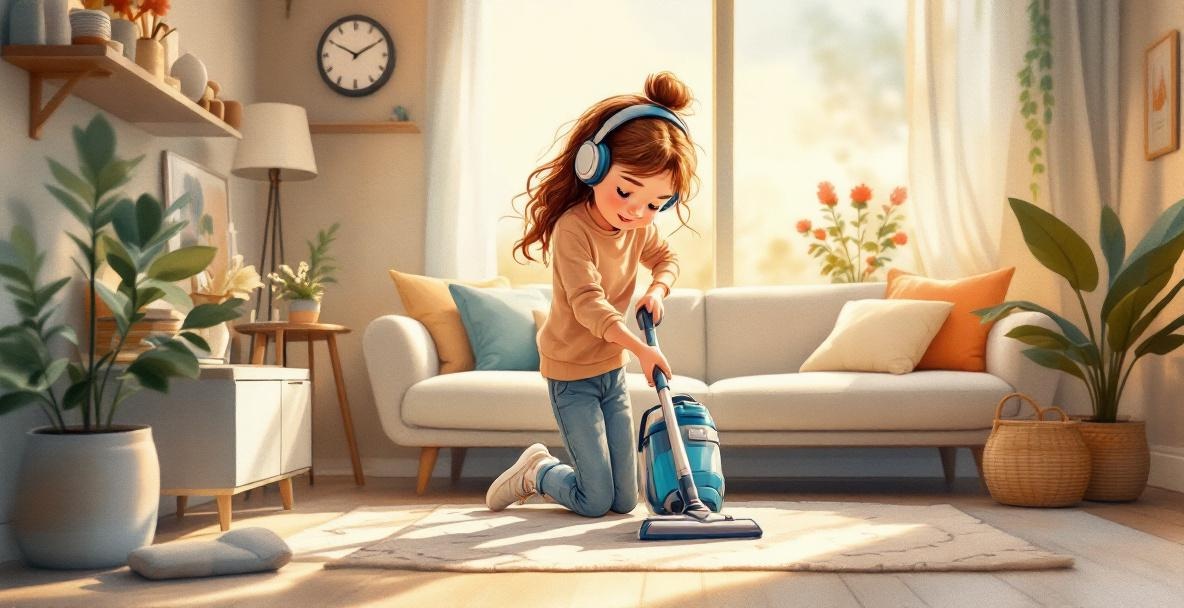
Getting Tweens to Help Around the House (10-12 Year Olds)
Tweens are capable of almost any household task — but getting them to actually do it is a different challenge. At 10-12, the issue isn't ability, it's motivation. This guide covers what works (and what doesn't) for getting tweens engaged in housework.
Key takeaway: Tweens respond to autonomy, fairness, and tangible rewards. The old "because I said so" approach backfires at this age. Systems and structure work better than authority alone.
Why Tweens Push Back on Chores
Understanding the resistance helps you address it:
- Identity development — They're figuring out who they are. Being "the kid who does chores" isn't cool unless they feel respected
- Social priorities — Friends, devices, and activities compete for their attention and energy
- Fairness radar — They notice every imbalance. If siblings do less, they'll call it out
- Need for autonomy — Being told what to do feels childish. They want to choose when and how
The fix isn't more authority — it's better systems.
Tween Chore Expectations (10-12 Year Olds)
| Chore | Difficulty | Frequency |
|---|---|---|
| Cook simple meals (pasta, eggs, sandwiches) | Medium | 2-3x/week |
| Do own laundry (full cycle) | Medium | Weekly |
| Deep clean bathroom | Hard | Weekly |
| Mow lawn or shovel snow | Hard | Weekly (seasonal) |
| Grocery shopping (with list) | Medium | Weekly |
| Clean kitchen after dinner | Medium | Daily |
| Vacuum/mop entire floor | Medium | 2x/week |
| Organize shared spaces (garage, closets) | Hard | Monthly |
| Babysit younger siblings (short periods) | Hard | As needed |
| Manage personal laundry and room | Medium | Ongoing |
Pro tip: Give tweens control over WHEN they complete tasks. "The kitchen needs to be clean before 8pm" respects their autonomy while maintaining expectations.
What Actually Works with Tweens
- Negotiate, don't dictate — Sit down and agree on responsibilities together. Tweens who help set the rules follow them more consistently.
- Tie chores to real-world outcomes — "In two years you'll be at a friend's house and need to cook for yourself" connects today's chores to future independence.
- Use a point or money system — At this age, tangible rewards matter. KidKarma's karma points or a cash allowance tied to completed tasks creates real motivation.
- Respect their schedule — Don't interrupt homework or social time for non-urgent chores. Work chores around their commitments.
- Drop the micromanagement — Tell them what needs doing, not how to do it. If the dishes are clean, who cares if they loaded the dishwasher differently than you would?
Common Questions About Tween Chores
How many hours of chores per week is reasonable for a 10-12 year old?
5-7 hours per week is a reasonable expectation, spread across daily tasks and weekly jobs. That's roughly 30-60 minutes per day.
My tween argues about every single chore. How do I stop the battles?
Remove yourself from the argument. Post the expectations (chart, app, whiteboard), set the consequences, and enforce consistently. "The chart says kitchen duty tonight" is harder to argue with than "I need you to clean the kitchen."
Should tweens have a say in which chores they do?
Absolutely. Give them a list of what needs doing and let them pick their assignments for the week. Ownership reduces resistance.
What about chores during summer break?
Summer is a great time to increase expectations. Add bigger projects (organizing the garage, deep cleaning, cooking meals) and adjust the reward system accordingly.
KidKarma for Tweens
KidKarma speaks tweens' language — points, progress, and rewards they actually want. No more chore charts on the fridge they ignore.
- Task dashboard on their own device
- Karma points they track themselves
- Custom rewards (screen time, money, privileges)
- Family transparency so everyone sees contributions
Last updated: March 2026