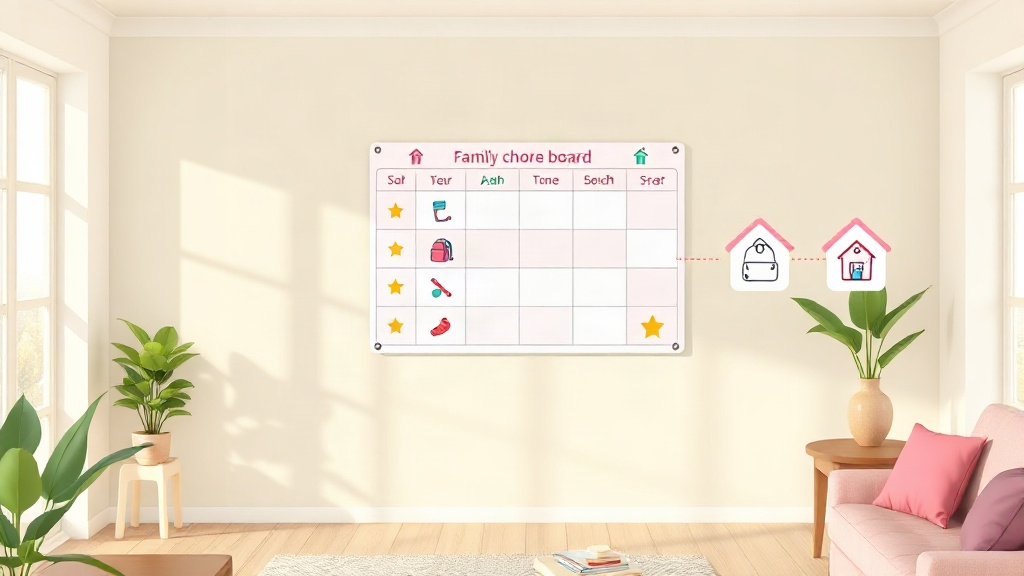
Quick Answer: Responsibilities for teens grow in scope and independence with age, moving from supervised household chores at 13 to self-managed academic, home, and part-time work duties by 16. The key is matching the task to the teen's actual capability, then tracking follow-through consistently instead of repeating reminders.
As a parent, you want your teenager to become more independent, make good decisions, and understand that being part of a family comes with certain responsibilities. But getting teens to take ownership of everyday tasks isn't always easy. Between school, friends, hobbies, and screen time, things like keeping their room tidy, helping around the house, or managing their schedules can easily slip down the priority list. The good news is that these everyday responsibilities are more than just chores. They're small opportunities to help your teen build independence, confidence, and life skills they'll carry into adulthood.
What Counts as a Responsibility for Teens?
When we talk about teen responsibilities, we're not just talking about chores or asking your teenager to take out the trash. It's about helping them learn to manage everyday tasks without needing constant reminders. There's a difference between doing something because a parent asked and recognizing that something needs to be done and taking care of it independently.
For example, a teenager who empties the dishwasher when reminded is completing a chore. One who notices it's full and empties it without being asked is beginning to take responsibility. The same applies to schoolwork, managing personal schedules, helping around the house, and keeping commitments.
As teens grow older, their responsibilities should gradually expand. These generally fall into three areas:
-
Household responsibilities: Helping with chores, keeping personal spaces clean, and contributing to family routines.
-
Academic and personal responsibilities: Managing homework, organizing schedules, maintaining personal hygiene, and making everyday decisions.
-
Social and financial responsibilities: Keeping commitments, managing pocket money, taking care of younger siblings when appropriate, or handling a part-time job.
The goal isn't to expect teenagers to get everything right from the start. It's to give them opportunities to practice being dependable, make decisions, and learn from the consequences of their actions.
Responsibilities for Teens by Age (13, 14-15, 16+)
Responsibility should change and grow with a teen's actual judgment and schedule, not just their birthday. At 13, most teens can handle regular chores with reminders. By 16, many can manage their own schedule, a part-time job, and most self-care without parent involvement.
Here's a realistic breakdown:
| Age | Household | School/Self | Other |
|---|---|---|---|
| 13 | Own room, dishes, trash, pet feeding | Pack their own bag, track homework | Basic money handling (allowance) |
| 14-15 | Laundry, cooking simple meals, yard work | Manage deadlines, study without reminders | Babysitting younger siblings, part-time chores for pay |
| 16+ | Grocery runs, meal planning help, car upkeep if driving | Manage a full course load, college prep tasks | Part-time job, own transportation logistics, budgeting |
A 16-year-old's responsibilities usually include managing their own time across school, a job, and a social life, plus handling money they earn. That's a big jump from 13, where most tasks still need a reminder or a checklist. The jump isn't automatic. It happens because a parent handed over one task at a time and let the teen own the outcome, including the failures.
If you're parenting a teen aged 13 or older, having a chore system designed specifically for teens can make it easier to build consistent routines, encourage independence, and help them take ownership of their responsibilities.
Responsibilities at Home Vs. at School
Household and academic responsibilities may seem similar, but they require different skills. Your teen might be great at helping around the house but still struggle to manage schoolwork independently, or the other way around. Both are important parts of growing up.
Household responsibilities involve everyday tasks that help keep the home running smoothly. These include doing chores, taking care of pets, preparing simple meals, keeping their room clean, and helping with other family tasks. For example, a teen who remembers to feed the dog every morning without being reminded is learning to be dependable and take ownership of their tasks.
Academic and self-management responsibilities are a little different. They require teens to manage their time, stay organised, and follow through without constant parental supervision. This could mean completing and submitting homework on time, studying independently, keeping track of assignments, managing their daily schedule, and getting ready for school without repeated reminders.
Both types of responsibility matter. Completing household tasks consistently and managing school deadlines independently are different ways of developing the same essential skills: accountability, time management, and independence.
Household examples:
- Taking out trash and recycling on schedule
- Feeding and walking a pet
- Cooking one simple meal a week
- Doing their own laundry
Academic/self-management examples:
- Packing their own bag the night before
- Tracking assignments in a planner or app
- Studying for tests without a reminder
- Waking up to their own alarm
For a full age-by-age chore list that pairs with these academic habits, see chores for kids by age.
Why Teens Resist Responsibilities & What Actually Works
Teens resist responsibilities most often because the system around them is inconsistent, not because they're lazy. If a chore sometimes gets nagged into happening and sometimes gets done by a parent instead, the teen learns the deadline isn't real.
Three friction points show up again and again:
- Nagging: repeated verbal reminders train a teen to wait for the fourth ask instead of the first.
- Inconsistency: a responsibility enforced one week and ignored the next has no weight.
- Invisible payoff: if there's no clear benefit to following through, there's no reason to start early.
Points and rewards tend to motivate teens better than nagging because they shift the conversation from "you didn't do X" to "you're this close to Y." A teen tracking progress toward something they chose has a reason to start without being reminded three times.
Worth knowing: Nagging produces short-term compliance at best. A visible, earned goal produces repeat behavior, because the teen connects the task to a payoff they picked themselves.
The fix isn't more reminders. It's a consistent structure that tracks what's done, what's owed, and what the teen gets for following through, every time, the same way.
A Simple System for Tracking Teen Responsibilities
A simple tracking system should have three steps: clearly assign each task, keep track of whether it's completed, and reward your teen for following through. Each step matters. Without a clear deadline, tasks can easily be forgotten. Without tracking, it's hard to see what's getting done. And without a little motivation, the whole system can start feeling like just another school assignment.
A smart point system assigns point values to individual tasks, and teens redeem accumulated points for items or privileges in a reward marketplace. Instead of a flat allowance, the teen sees exactly how many points a task is worth before they start it, which turns responsibility into a visible ladder toward something they actually want.
Watch Out: Harder or less-liked tasks can carry a different point value than quick, easy ones, so a teen isn't tempted to only pick the simplest chores and skip the rest.
This structure also solves the co-parenting problem. In households where a teen splits time between two homes, two separate trackers mean one parent has no visibility into what happened at the other house. A shared record of tasks, points, and history keeps both parents working from the same information, regardless of custody schedule.
If you're weighing a few options for this kind of tracking, this guide to teenager reward systems walks through how points and rewards work together for older kids specifically.
Red Flags Vs. Normal Teen Pushback
It's normal for teens to push back when asked to do something they don't feel like doing. You might hear a few complaints, see some procrastination, or have to remind them more than once. That doesn't necessarily mean they're avoiding responsibility. If your teen grumbles about taking out the trash but eventually gets it done, they're probably just not thrilled about the task.
However, there's a difference between the occasional eye roll and a pattern of refusing to take responsibility. If your teen consistently avoids tasks, refuses to follow through, or shows little interest in meeting their commitments, it may be worth looking a little closer at what's going on.
Expert Commentary: According to Mercer Island's parenting resource on 16-year-olds and responsibility, responsibility at this age should show up as consistent follow-through on commitments the teen made themselves, not just compliance with parent-assigned tasks.
Use this quick gut-check:
- Normal: forgets a chore occasionally, needs one reminder, complains but completes it.
- Normal: prioritizes homework over chores during exam week.
- Worth paying attention to: consistently lies about whether something was done.
- Worth paying attention to:responsibility collapses alongside falling grades, withdrawal from friends, or sleep changes.
- Worth paying attention to: refuses every responsibility, not just the ones they dislike.
If pushback is isolated to specific tasks, it's likely a motivation problem a tracking system can fix. If it's spread across every area of a teen's life, it's worth a closer conversation, not a new chore chart.
Start by picking one responsibility to hand over this week and track it consistently; the KidKarma app gives a teen one list, points for finishing, and a record you can both see.