Chores aren't just about a clean house. They're one of the most effective tools parents have for teaching responsibility, self-discipline, and life skills. This guide covers how to use everyday household tasks as character-building opportunities.
Key takeaway: Children who do regular chores develop stronger work ethic, better time management, and higher self-esteem. Starting early and staying consistent matters more than what specific tasks they do.
Why Chores Build Responsibility
The connection between chores and responsibility isn't just parental folklore. Here's what's actually happening when kids do household tasks:
- Cause and effect - "I cleaned the kitchen → the kitchen is clean" teaches agency
- Delayed gratification - Doing something unpleasant now for a better outcome later is a core life skill
- Contribution identity - Kids who see themselves as contributors feel more capable and confident
- Skill stacking - Each new chore adds to their real-world competence
The Responsibility Progression
Responsibility develops in stages. Match your approach to your child's stage:
Stage 1: Compliance (Ages 2-4)
Kids do tasks because you ask. The habit itself is the goal. Use lots of positive reinforcement.
Stage 2: Routine (Ages 5-7)
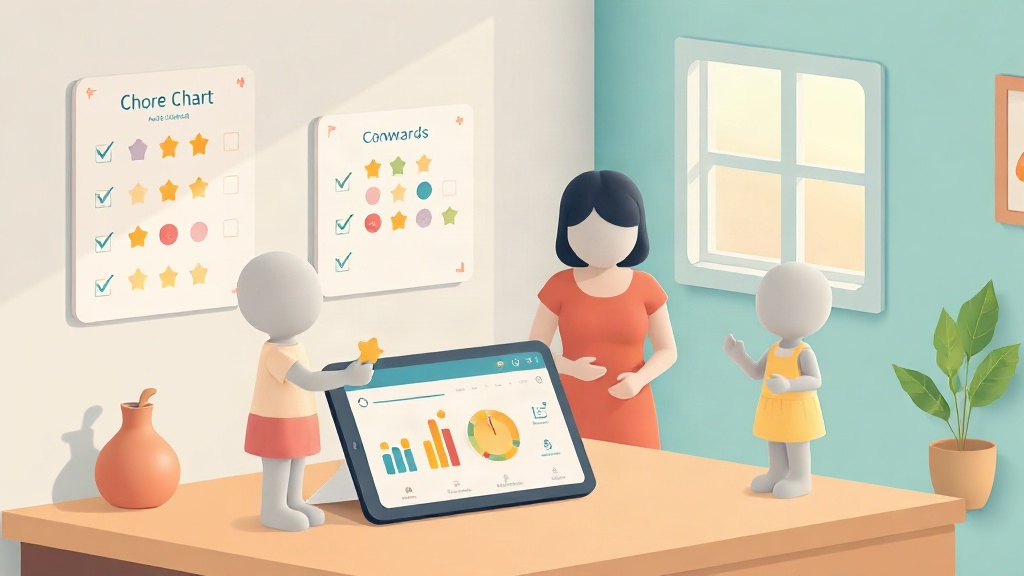
Kids do tasks because it's part of their daily schedule. Less reminding needed. Visual chore charts help here.
Stage 3: Ownership (Ages 8-10)
Kids take responsibility for quality and timing. They know what needs doing and when. Begin stepping back on reminders.
Stage 4: Initiative (Ages 11-13)
Kids notice things that need doing and do them without being asked. "I saw the trash was full so I took it out" is the gold standard.
Stage 5: Self-Management (Ages 14+)
Teens manage their own responsibilities completely. They plan, prioritize, and execute. Your role shifts to occasional quality checks.
Practical Strategies
- Name the responsibility, not just the task - "You're responsible for the kitchen" carries more weight than "do the dishes." The first implies ownership; the second implies a command.
- Let them fail (safely) - If they forget to pack their lunch, don't rescue them. Consequences are better teachers than lectures.
- Expand gradually - Add one new responsibility per month, not per week. Slow growth builds genuine competence.
- Connect chores to future independence - "These are the skills you'll need when you have your own apartment" resonates with kids 10+.
- Model it yourself - Kids notice if you complain about your own responsibilities. Your attitude toward household work shapes theirs.
Build Responsibility with KidKarma
KidKarma helps children progress through the responsibility stages naturally. Assign tasks, track completion, and watch your kids grow from compliant helpers into self-managing contributors.
- Assign responsibilities, not just tasks
- Track progress over weeks and months
- Karma points reinforce positive habits
- Grows with your child from toddler to teen