Quick Answer: A behavior chart for kids tracks one to three specific behaviors you want to see more of, like getting dressed without reminders or speaking kindly to a sibling. Your child earns a sticker or points each time, then trades them for a reward they helped choose. Charts work best when the goals are concrete, feedback is immediate, and the chart changes as your child grows.
Most behavior charts don't fail because the idea is wrong. They fail because the chart asks for "be good" instead of a behavior a child can actually picture, or because the reward is so far away that a five-year-old forgets it exists by Wednesday. Get those two things right and a simple chart can change the tone of a whole household.
What Is a Behavior Chart for Kids?
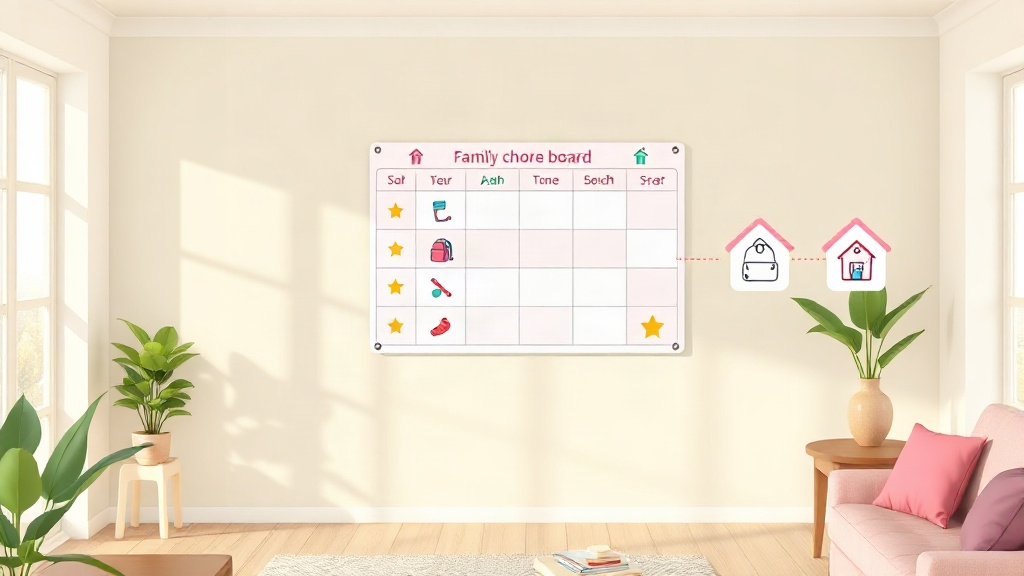
A behavior chart for kids is a visual tracker that records when a child shows a specific, positive behavior and links it to a reward. It can be a printable grid on the fridge, a sticker sheet, or a points system in an app.
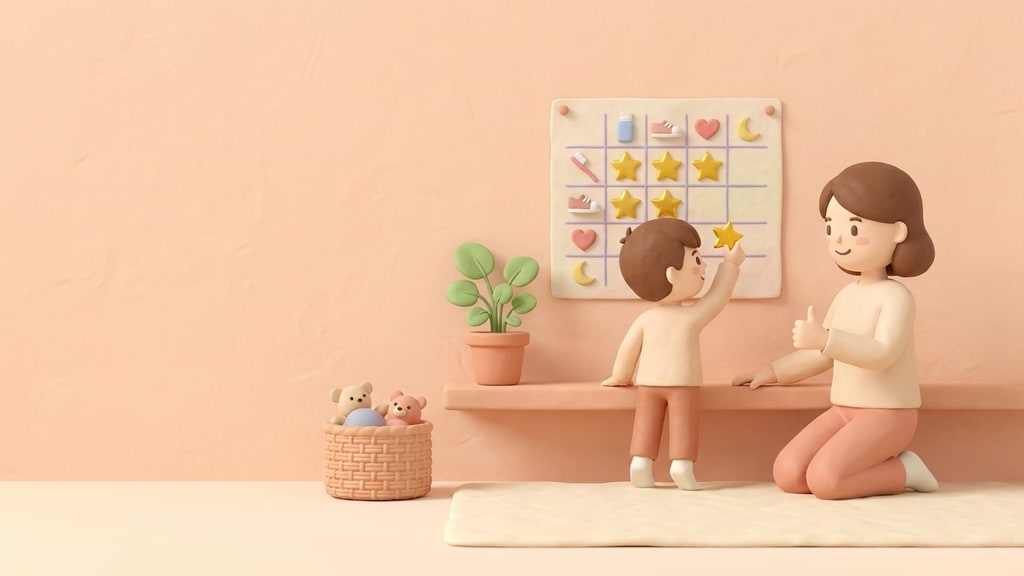
The chart does two jobs at once. It tells your child exactly what you expect, and it gives them a visible record of progress, so the conversation shifts from "you never listen" to "two more stars and you've got movie night." That shift is the real value. The stickers matter less than the clarity.
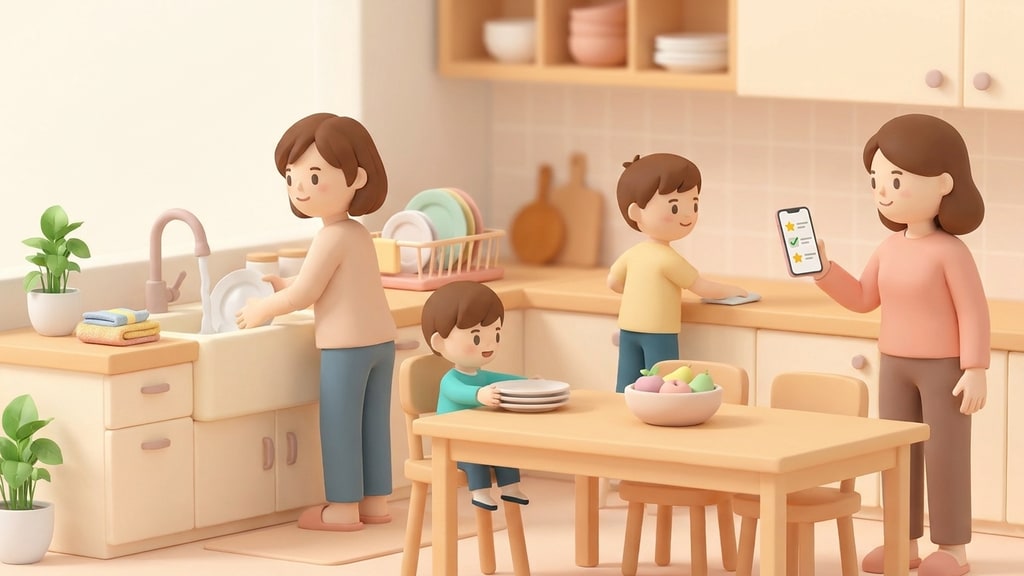
A behavior chart is different from a chore chart, though many families combine them. Chores are tasks (feed the dog, clear the table), while behaviors are habits and choices (staying calm, using kind words, getting ready on time). One chart can hold both, as long as each item is specific enough to check off.
Do Behavior Charts Actually Work?
Behavior charts work well when they reward specific, achievable behaviors with quick, consistent feedback. They work poorly when the target is vague, the reward is too far off, or the chart is used mainly to punish.
They tend to help most with:
- Routines that cause daily friction, like mornings, bedtime, and screen-time transitions
- Younger kids who need to see progress to stay motivated
- Kids with ADHD, who often benefit from immediate, visual feedback rather than delayed praise
Reality Check: A behavior chart is a tool for building a habit, not a permanent way of life. The goal is that the behavior sticks after the chart comes down. If your child only does the behavior when a reward is on the line months later, the chart needs a phase-out plan.
If you're weighing rewards against consequences in general, this guide to positive reinforcement vs. positive punishment explains how each one shapes behavior differently.
How to Make a Behavior Chart in 5 Steps
A behavior chart that works takes about 15 minutes to set up and a few weeks of consistency to pay off.
- Pick one to three behaviors. Start small. Choose the behaviors causing the most friction right now, and phrase each as something your child does, not something they stop doing: "Puts shoes on by 7:45" instead of "No dawdling."
- Make each behavior observable. If you and your child could disagree about whether it happened, rewrite it. "Uses a calm voice when upset" is checkable; "has a good attitude" is not.
- Set the points or stickers. One sticker or a small number of points per success keeps things simple. Harder behaviors can be worth a bit more.
- Choose rewards together. Ask your child what they want to work toward. Mix small rewards they can reach in a day or two with a bigger one that takes a week or more.
- Review it daily, briefly. A two-minute check-in at dinner or bedtime, where you mark the chart and name what went well, does more than a long weekly review.
Pro Tip: Praise the behavior out loud at the moment you mark the chart. "You got dressed before breakfast without a reminder, that's a star" connects the reward to the action, which is what makes the habit stick.
Behavior Chart Ideas by Age
The right behavior chart looks very different for a three-year-old and a twelve-year-old.
- Ages 2 to 4: One or two behaviors, picture-based, with an immediate sticker. Examples: brushing teeth without a fuss, putting toys in the bin, staying in bed after lights out.
- Ages 5 to 7: Two or three behaviors with a small daily reward and a bigger weekly one. Examples: getting dressed on time, using gentle hands with siblings, starting homework when asked.
- Ages 8 to 12: Points instead of stickers, with a reward menu your child can save toward. Examples: finishing a morning routine independently, putting devices away at the agreed time, handling frustration without slamming doors.
- Teens: Skip the "chart" label. Frame it as an agreement with privileges attached, like a later curfew or extra screen time for consistent follow-through on responsibilities.
Behavior Chart Examples: Behaviors and Point Values
Here's a sample setup for a seven-year-old. Point values are a starting point, not a rule.
| Behavior | How to check it | Points |
|---|---|---|
| Dressed and at breakfast by 7:30 | Seated at the table on time | 2 |
| Uses kind words with a sibling | No name-calling during the day | 3 |
| Starts homework after one reminder | Sitting down within five minutes | 2 |
| Lights out at bedtime without arguing | In bed when the timer ends | 2 |
At this rate, a good day earns around nine points. A 20-point reward like choosing the family movie is reachable in a few days, and a 60-point reward like a trip to the park café becomes a weekly goal.
Printable Behavior Chart or App: Which Is Better?
A printable behavior chart is a good way to start, especially for one child and one or two behaviors. You can make one in a couple of minutes with KidKarma's free chore chart maker and add your behaviors to it.
Paper gets harder to manage when you have more than one child, more than a few behaviors, or a child who moves between two homes. An app tracks the points for you, keeps a history you can look back on, and lets both parents see the same chart. In KidKarma, you give each behavior or task a point value, your child requests points when they've done it, and you approve with a tap. Kids spend their points in a reward marketplace you set up, and gentle penalties let you deduct points for a missed responsibility without turning the chart into punishment. Co-parents share one dashboard through Two-Home Sync, which our chore chart for two households guide covers in more detail.
Common Behavior Chart Mistakes
Most behavior charts stall in the second or third week, usually for one of these reasons:
- Too many behaviors at once. Five goals on day one overwhelms kids. Add a new behavior only after the first ones are routine.
- Rewards that are too far away. A young child can't stay motivated for a reward that's a month out.
- Taking away stickers already earned. Removing past progress feels unfair and often kills motivation. If you use consequences, keep them small and separate from earned rewards.
- Inconsistent tracking. If the chart only gets marked on good days, kids stop trusting it.
Watch Out: Don't use the chart in front of siblings or friends as a comparison tool. Each child's chart should measure their own progress, not a race against someone else.
For more ideas on which rewards motivate kids without becoming bribes, see our guide to good behavior reward systems.